In most households, noise is neutral. Conversations rise and fall, doors close, tempers flare and settle again. In others, sound carries risk. A raised voice, a heavy step on the stairs, the scrape of a chair across the floor – each one means something. Silence becomes the safest option.
Children growing up in controlling or emotionally unpredictable environments often learn this without being told. They learn it through patterns: what happens after they speak, how long tension lingers, what draws attention, what makes things worse. Over time, self-expression is replaced with self-monitoring.
Silence is not the absence of thought. It is constant calculation.
It shows up in the way a child becomes still when a parent enters a room. In how they wait to be spoken to rather than volunteering information. In how they rehearse sentences internally before saying them out loud – or decide not to say them at all. Questions are weighed. Opinions are trimmed. Feelings are tucked away.
Often, this isn’t because the child is shy by nature. It is because experience has taught them that speaking can trigger anger, ridicule, withdrawal, or punishment. Silence feels like protection.
In families where a parent needs to remain central, admired, or unchallenged, children may sense that disagreement is dangerous. Expressing discomfort can be reframed as disrespect. Boundaries are treated as defiance. Emotions that inconvenience the adult are dismissed or mocked. Over time, the child adapts. They become quieter. Smaller. Easier.
This adaptation is intelligent. It keeps the peace. It reduces fallout. It allows a child to get through the day.
But it comes with a cost.
When silence becomes a long-term strategy, it doesn’t always stay in childhood. Many adults who grew up in these environments notice that they still hold back automatically. They apologise before they speak. They struggle to express needs without guilt. They downplay distress. They wait for permission that never arrives.
They may feel tense in groups, unsure when it is their turn to talk. They might avoid conflict at any price or feel overwhelmed when voices rise, even if no one is angry with them. Calm can feel fragile. Safety can feel conditional.
What began as survival quietly becomes habit.
It is important to say this clearly: these patterns are not personality flaws. They are learned responses to specific conditions. A child who stayed silent was paying attention. A child who disappeared was protecting themselves. A child who made themselves easy to manage was trying to remain safe in a system that did not allow full expression.
Understanding this is not about blaming the past for everything in the present. It is about context. About recognising that behaviours do not appear out of nowhere. They form inside relationships.
Learning to speak again – to take up space, to disagree, to express discomfort without panic – is often slow work. It can feel unnatural at first. Loud. Risky. Exposed. That does not mean it is wrong. It means it is new.
Silence was once useful.
That does not mean it has to remain your default.
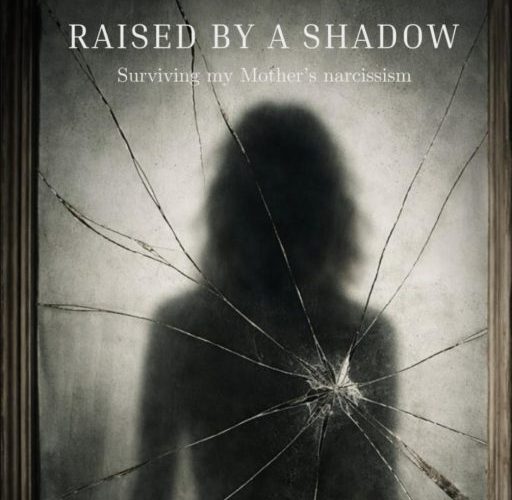
If parts of this felt familiar, you may find more in Raised by a Shadow by Chloe Puzio – a memoir about growing up in the shadow of a narcissistic parent. Out now.
 Raised by a Shadow