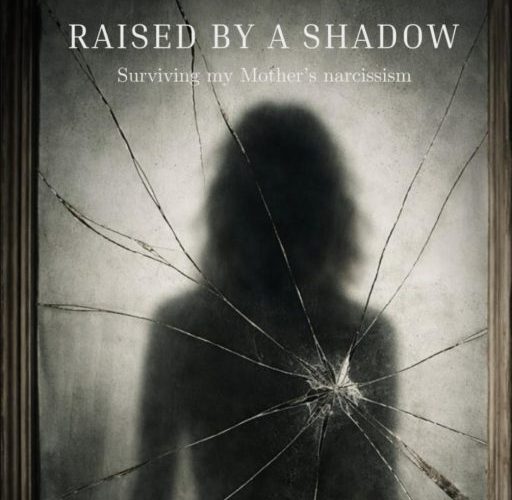
If you were raised by a narcissistic mother, much of what harmed you didn’t look dramatic from the outside. It was woven into daily life – into tone, expectation, silence, and fear. Many people don’t realise the impact until adulthood, when the patterns begin to surface in how they think, feel, and relate to others.
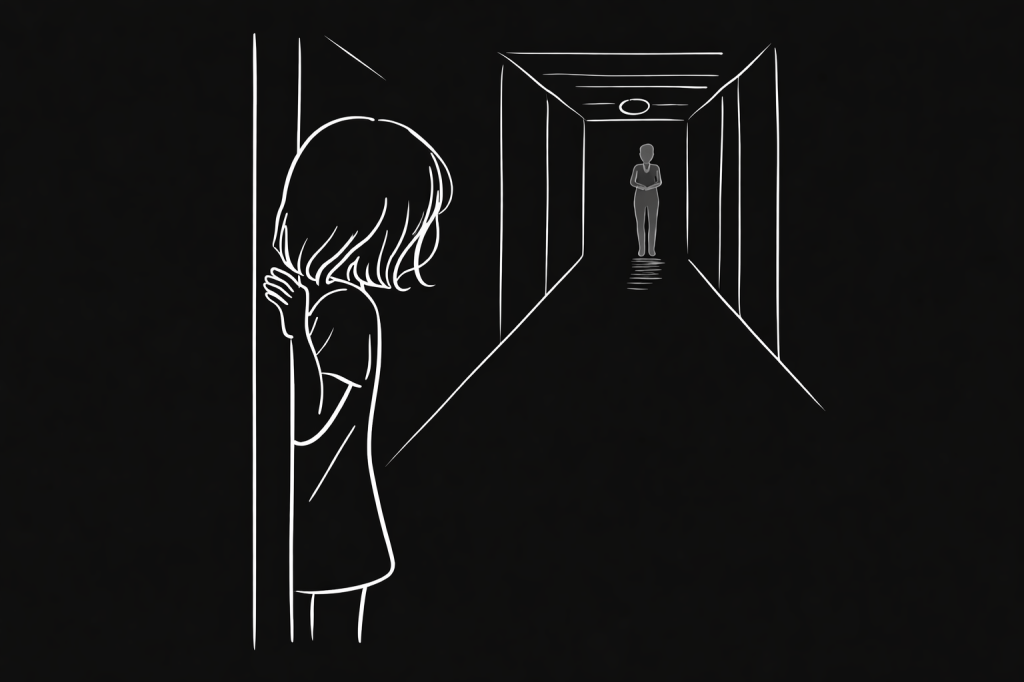
1. You were always aware of her presence, even when she wasn’t in the room
You learned to listen for footsteps, doors, the way objects were handled. Her mood set the emotional temperature of the house, and you adjusted yourself accordingly. Relaxation only came when she was calm – or gone.
You didn’t think of this as fear at the time. It felt like attentiveness, responsibility, or being “good.”
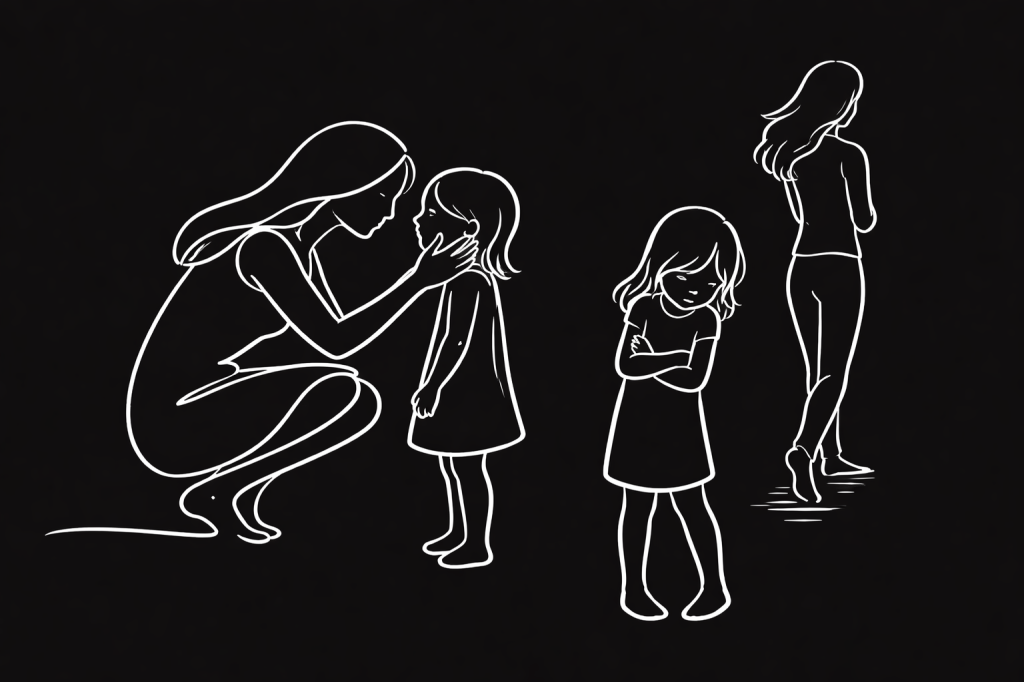
2. Affection felt unpredictable
Warmth could appear suddenly – praise, closeness, even tenderness – and disappear just as quickly. You learned not to rely on it, because you never knew what version of her you would get.
Love felt like something you had to earn, maintain, and protect, rather than something that was simply there.
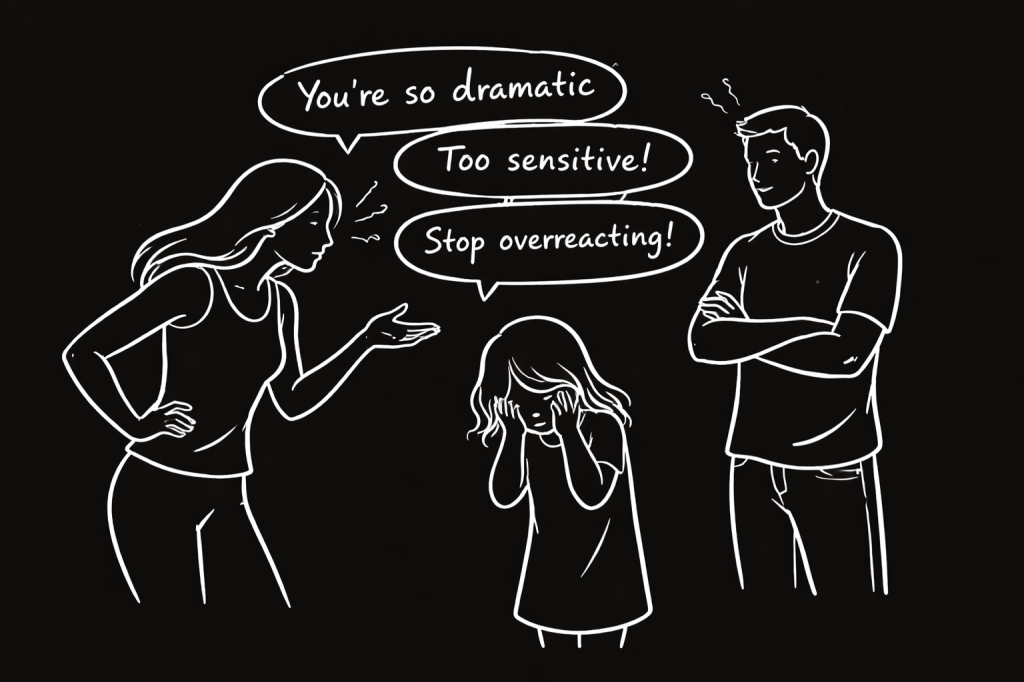
3. Your feelings made her uncomfortable
Strong emotions – sadness, anger, fear – were met with irritation or ridicule. You learned to downplay them, swallow them, or turn them inward.
Over time, you stopped bringing your feelings to other people too, unsure whether they were valid or welcome.
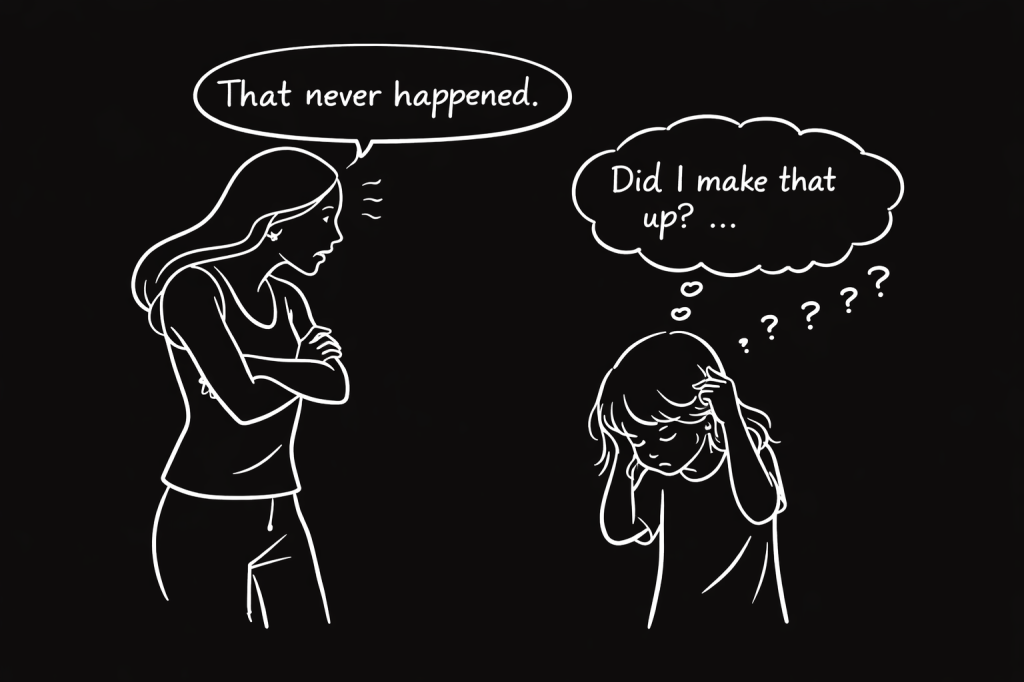
4. Your reality was frequently rewritten
When conflict happened, the facts were often blurred or denied. What you experienced was questioned or reframed until you no longer trusted yourself.
You learned to second-guess not just events, but your own perception – a habit that often follows into adulthood.
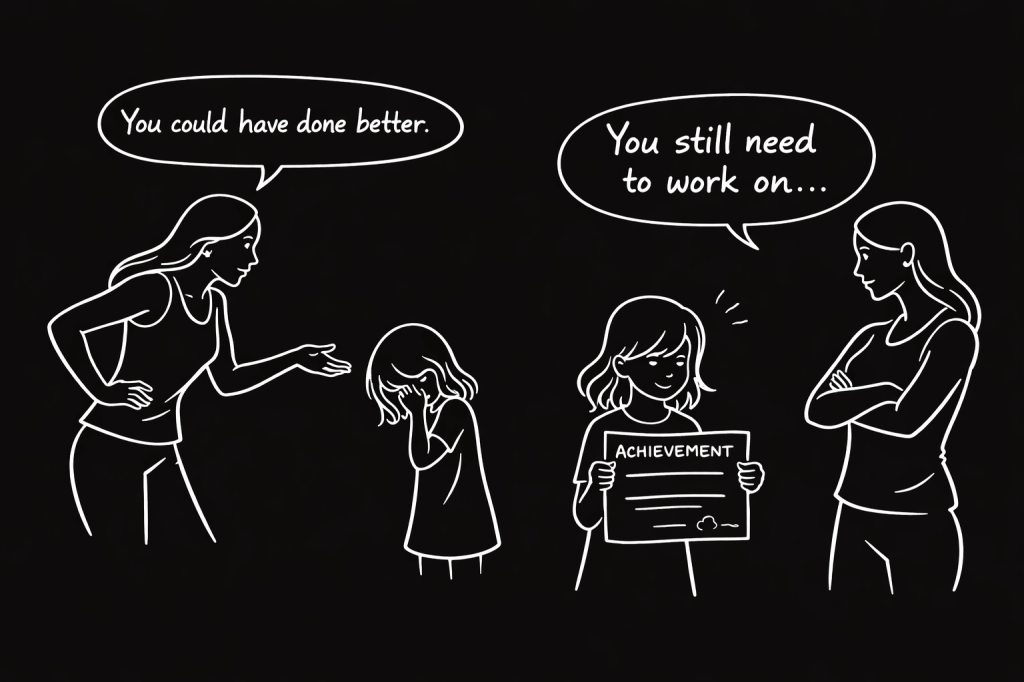
5. Nothing was ever quite good enough
Achievements were acknowledged briefly, if at all, before attention shifted to flaws, improvements, or what someone else had done better.
You learned to chase approval that never truly arrived, internalising the belief that you were always falling short.
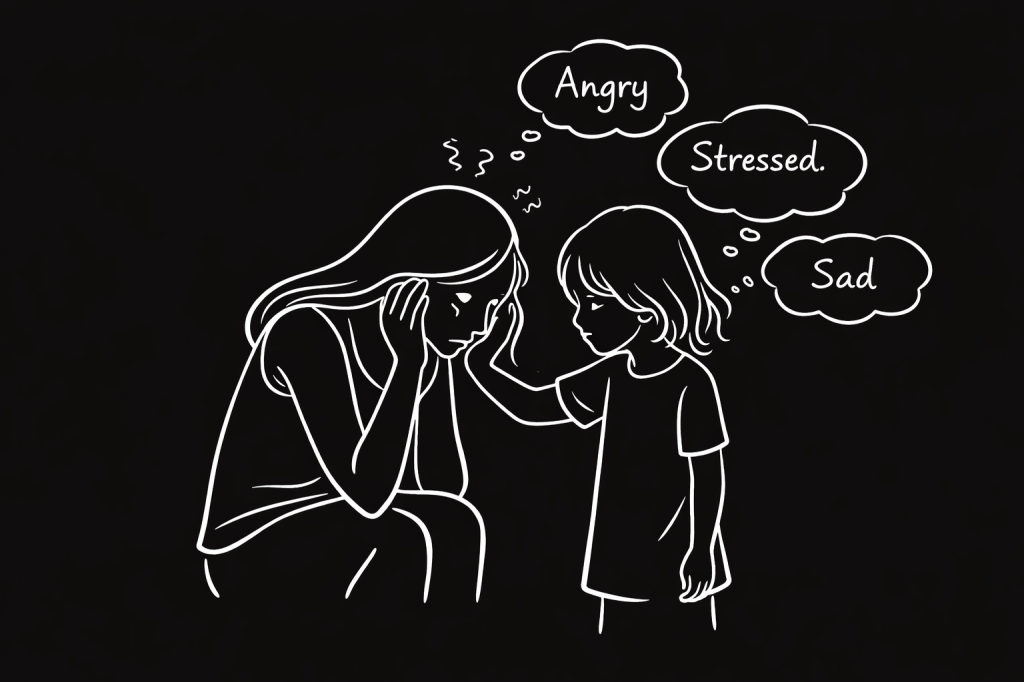
6. You felt responsible for her emotional wellbeing
Her stress, anger, or unhappiness became something you tried to manage. You learned to soothe, appease, and anticipate, even when you were young.
Your own needs felt secondary, sometimes invisible, compared to keeping her stable.
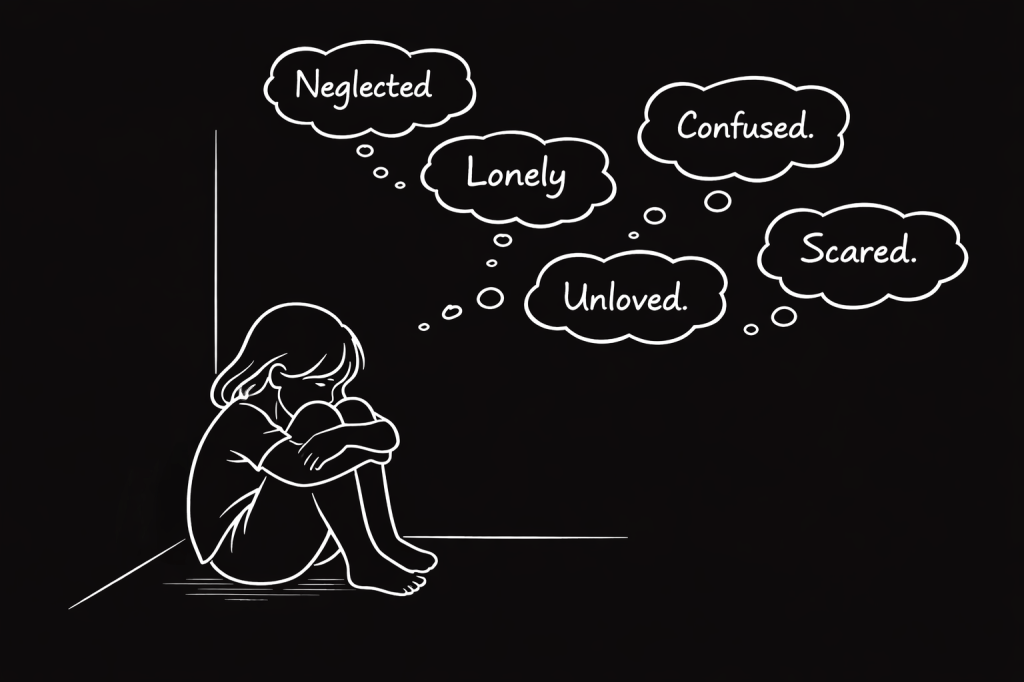
7. Independence came with consequences
As you grew, attempts to assert yourself were met with guilt, control, or emotional withdrawal. Wanting space felt like betrayal.
You learned that autonomy had a cost, and that closeness often required compliance.
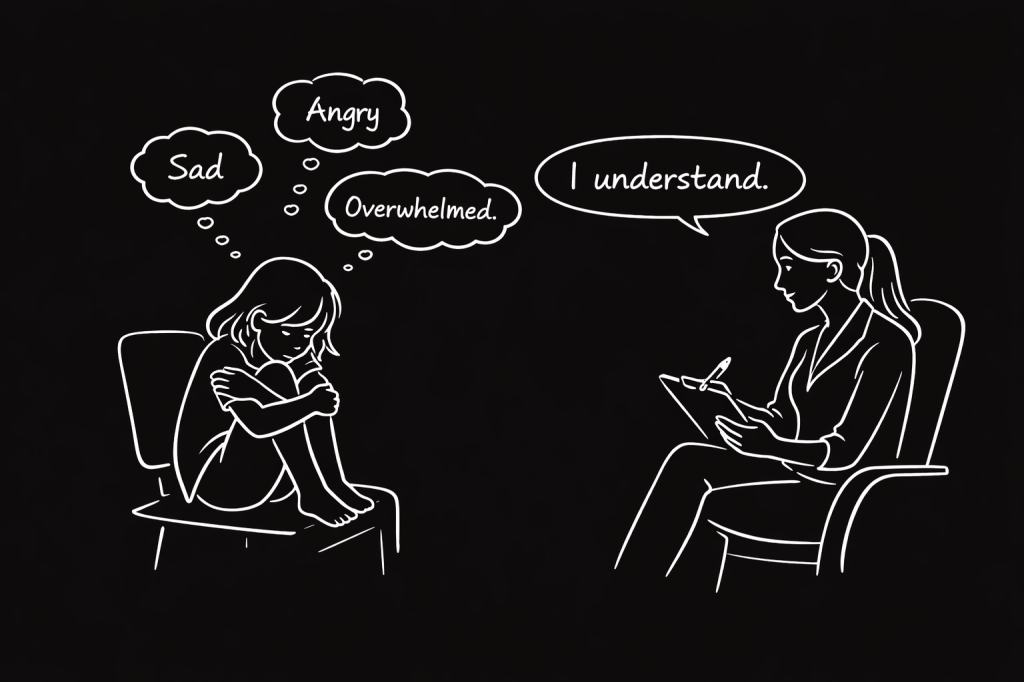
8. Guilt was a constant undercurrent
You felt guilty for resting, for saying no, for wanting more, or for wanting something different from her.
Even now, guilt may surface without a clear reason – a familiar echo of early conditioning.
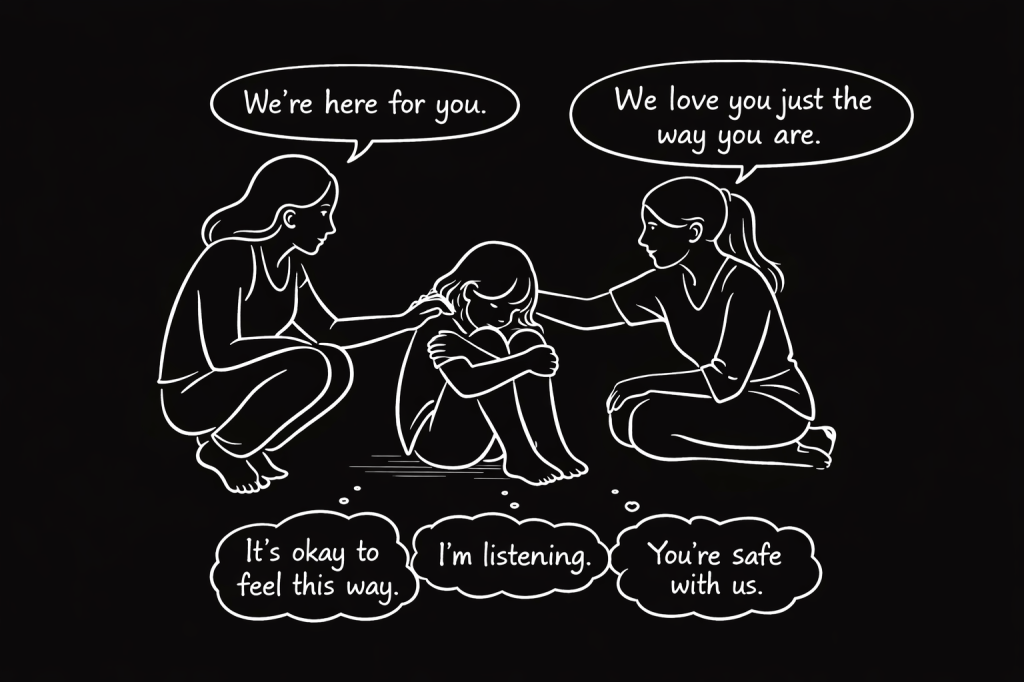
9. You learned to make yourself smaller
You became careful with your words, your reactions, your needs. Being quiet felt safer than being seen.
Over time, this self-erasure became automatic, even in environments where it was no longer necessary.
10. You struggle to trust yourself – not because you are incapable, but because you were trained not to
Decisions feel heavy. Validation feels necessary. Confidence feels fragile.
This isn’t a flaw. It’s the result of growing up in a space where your inner world was consistently undermined.
If you recognise yourself here, it doesn’t mean you are broken or exaggerating the past.
It means your nervous system learned how to survive a specific kind of emotional environment.
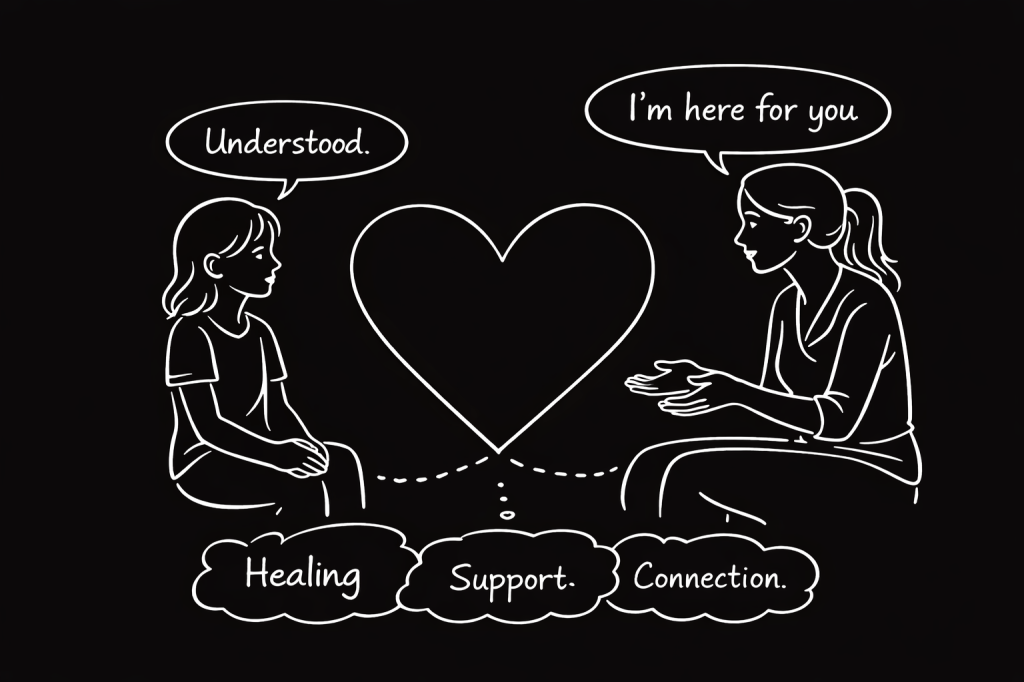
Naming these patterns is not about blame – it’s about understanding. And understanding is often where healing begins.

 Raised by a Shadow